Why Monaco regulates part of its housing
With two square kilometres and the highest prices in the world, the Principality has long protected the ability of its nationals and long-standing residents to live in Monaco. Successive laws since the 1940s have reserved parts of the older housing stock for them, while everything built after 1947, and all new construction, is in the free market. The result is a layered system that is simple once you know the dividing lines.
1. The free sector (secteur libre)
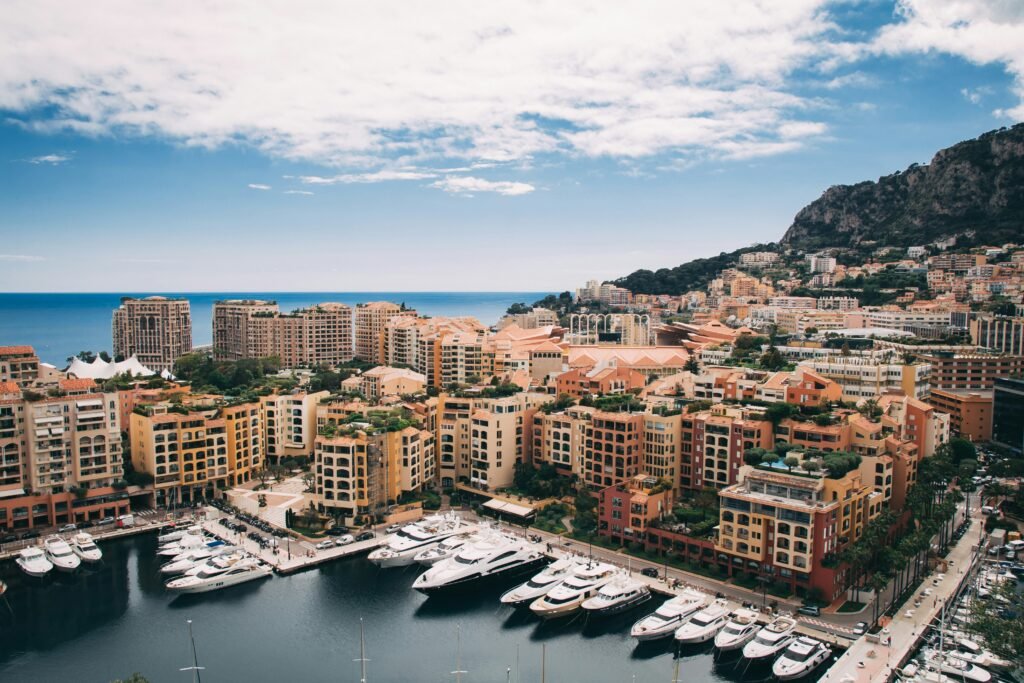
This is the market international buyers and tenants know. It includes every building completed after 1 September 1947, new developments, and older apartments that have left the regulated regimes through reconstruction. Rents, sale prices and lease terms are negotiated freely, there are no nationality conditions, and foreign ownership is unrestricted. The great majority of the apartments you will see in Monte-Carlo, Larvotto, Fontvieille, La Rousse and Mareterra belong here.
2. The protected sector: Law 1.235
Law 1.235 of 28 December 2000, amended several times since, replaced earlier rent-control legislation while keeping the principle of a protected sector. It applies to residential premises in buildings built or completed before 1 September 1947 that are not exempted by their category. In this sector:
- Apartments may only be let to protected persons, in an order of priority set by the law: Monegasque nationals first, then their spouses and relatives, people born in Monaco with long residence, and certain long-standing employees and residents.
- A landlord must declare a vacant apartment to the Direction de l’Habitat, and the vacancy is published in the Journal de Monaco so that eligible candidates can apply.
- Leases are long by Monaco standards (six years) and tenants enjoy strong security of tenure. Rents are set by the landlord within the framework of the law, with a commission to arbitrate disputes, and the State can pay housing allowances to eligible tenants.
- Owners who undertake a complete demolition and reconstruction can bring the building into the free sector, subject to re-housing obligations towards sitting tenants, which is why many pre-war buildings in Monaco have been rebuilt.
Anyone can own a Law 1.235 apartment, but only a protected person can live in it as a tenant. Prices therefore reflect the restricted tenant pool, and these apartments are typically bought by Monegasque families or by investors with a long horizon who anticipate a future reconstruction.
3. The Law 887 apartments
Law 887 of 25 June 1970 concerns pre-1947 buildings classified in the higher categories under the 1949 ordinance, broadly the better-built bourgeois buildings of the time. These were removed from the obligations of the protected sector but given their own regime:
- They can be let only to defined categories of beneficiaries (Monegasque nationals, people born in Monaco or with long residence, and people working in the Principality, in the order fixed by the law).
- Vacancies must be declared to the Direction de l’Habitat but are not advertised in the Journal de Monaco, and rents are freely agreed.
- In practice the Law 887 regime is lighter than Law 1.235, and such apartments are closer in value to the free market, although still below it.
4. The State sector (secteur domanial)
The Principality owns a large stock of apartments that it allocates to Monegasque nationals at moderate rents, and it builds continuously to add to it. Together with the habitation-capitalisation contracts introduced in 2009, this sector accounts for a significant part of Monaco’s housing but is never on the open market. It explains why a district like Monaco-Ville, where much of the housing is State-owned or protected, offers so few opportunities to international buyers.
What this means for buyers and investors
- Check the regime before the price. For any building completed before 1947, the notary and the Direction de l’Habitat can confirm whether Law 1.235, Law 887 or the free sector applies. The regime goes with the apartment and binds future owners.
- Rentability. A free-sector apartment can be let to anyone; a regulated apartment only to eligible persons through the official procedure. If your plan is to rent to international tenants, stay in the free sector.
- Value and liquidity. Regulated apartments trade at a discount and to a narrower buyer pool. They can be interesting as a long-term holding, particularly in buildings with reconstruction potential, but they are not comparable to free-sector stock on price per square metre.
- Older buildings are not all regulated. Many pre-war buildings have been rebuilt or extended and are now entirely in the free sector. Age alone does not tell you the regime.
Housing law in Monaco evolves, with recent reforms addressing the protected sector’s future and new allowances for tenants. This guide is general information and not legal advice; always rely on the notary’s verification for a specific property.
Frequently asked questions
What is the protected sector in Monaco?
The protected sector, governed by Law 1.235 of 2000, covers residential premises in buildings completed before 1 September 1947 that are not exempted by category. These apartments may only be let to protected persons, chiefly Monegasque nationals and certain long-standing residents, through a procedure run by the Direction de l'Habitat.
Can a foreigner buy an apartment under Law 1.235?
Yes, ownership is not restricted, but the apartment may only be let to eligible protected persons and the owner cannot choose a tenant freely. For that reason these apartments are priced below free-sector stock and suit long-term holders rather than international landlords.
What is the difference between Law 887 and Law 1.235?
Both concern pre-1947 buildings. Law 1.235 is the protected sector with publication of vacancies in the Journal de Monaco, regulated rents and six-year leases. Law 887 applies to higher-category pre-war buildings: vacancies are declared but not advertised, rents are free, and the list of eligible tenants is defined by that law.
Which Monaco apartments can anyone rent?
Free-sector apartments: everything built after September 1947, all new developments and older buildings that have been reconstructed. This is the market open to international tenants.
How do I find out which regime applies to a building?
The notary checks it during the sale, and the Direction de l'Habitat holds the records. We verify the regime for every pre-1947 building before our clients make an offer.
General information, not legal, tax or immigration advice. Figures reflect market practice at the review date.
Sources
- Monaco Government – Secteur protégé / loi 887 declarations (consulted 15 November 2026)
- Loi n° 1.235 du 28 décembre 2000 (Légimonaco) (consulted 15 November 2026)
- IMSEE – Étude sur le secteur protégé (consulted 15 November 2026)